Understanding Creatine: More Than Just Muscle
Last updated: November 20, 2024
The Evolution of Creatine Research
For decades, creatine was synonymous with bodybuilding. Walk into any gym in the 1990s, and you'd find tubs of white powder promising bigger muscles and better performance. But science has a way of revealing deeper truths, and modern research has uncovered something remarkable: creatine is fundamentally a brain supplement that happens to also benefit muscles.
What Is Creatine, Really?
Creatine is a naturally occurring compound found in every cell of your body, with approximately 95% stored in skeletal muscle and 5% in the brain, kidneys, and liver. Your body synthesizes about 1-2 grams daily from amino acids (arginine, glycine, and methionine), and you obtain additional creatine from dietary sources, primarily red meat and fish.
At its core, creatine serves one critical function: energy production. It helps regenerate adenosine triphosphate (ATP), the molecular currency your cells use for virtually every biological process.
The Brain Connection
The brain is an energy-hungry organ. Despite comprising only 2% of body weight, it consumes roughly 20% of your daily energy expenditure. This is where creatine becomes fascinating.
Research published in the *Proceedings of the Royal Society* demonstrated that creatine supplementation improved working memory and processing speed in healthy adults. The mechanism? By increasing phosphocreatine stores in the brain, creatine provides a readily available energy buffer during demanding cognitive tasks.
Key Cognitive Benefits:
- Enhanced Working Memory: Studies show improvements in tasks requiring short-term information retention and manipulation
- Faster Processing Speed: Particularly beneficial under conditions of stress or sleep deprivation
- Neuroprotection: Emerging evidence suggests creatine may help protect neurons from oxidative stress
- Mental Fatigue Resistance: Better maintenance of cognitive performance during prolonged mental effort
Who Benefits Most?
While everyone can benefit from optimized cellular energy, certain populations show particularly impressive responses to creatine supplementation:
Vegetarians and Vegans: With limited dietary creatine intake, plant-based individuals often have lower baseline creatine stores and show more pronounced benefits from supplementation.
Older Adults: Age-related decline in creatine synthesis makes supplementation increasingly valuable. Research indicates cognitive benefits are often more pronounced in aging populations.
High-Stress Professionals: Anyone facing demanding cognitive loads—from students during exam periods to professionals managing complex projects—can benefit from creatine's energy-buffering effects.
Sleep-Deprived Individuals: Studies demonstrate that creatine can partially offset cognitive impairments caused by sleep deprivation, making it valuable for shift workers, new parents, or anyone facing unavoidable sleep disruption.
The Science of Dosing
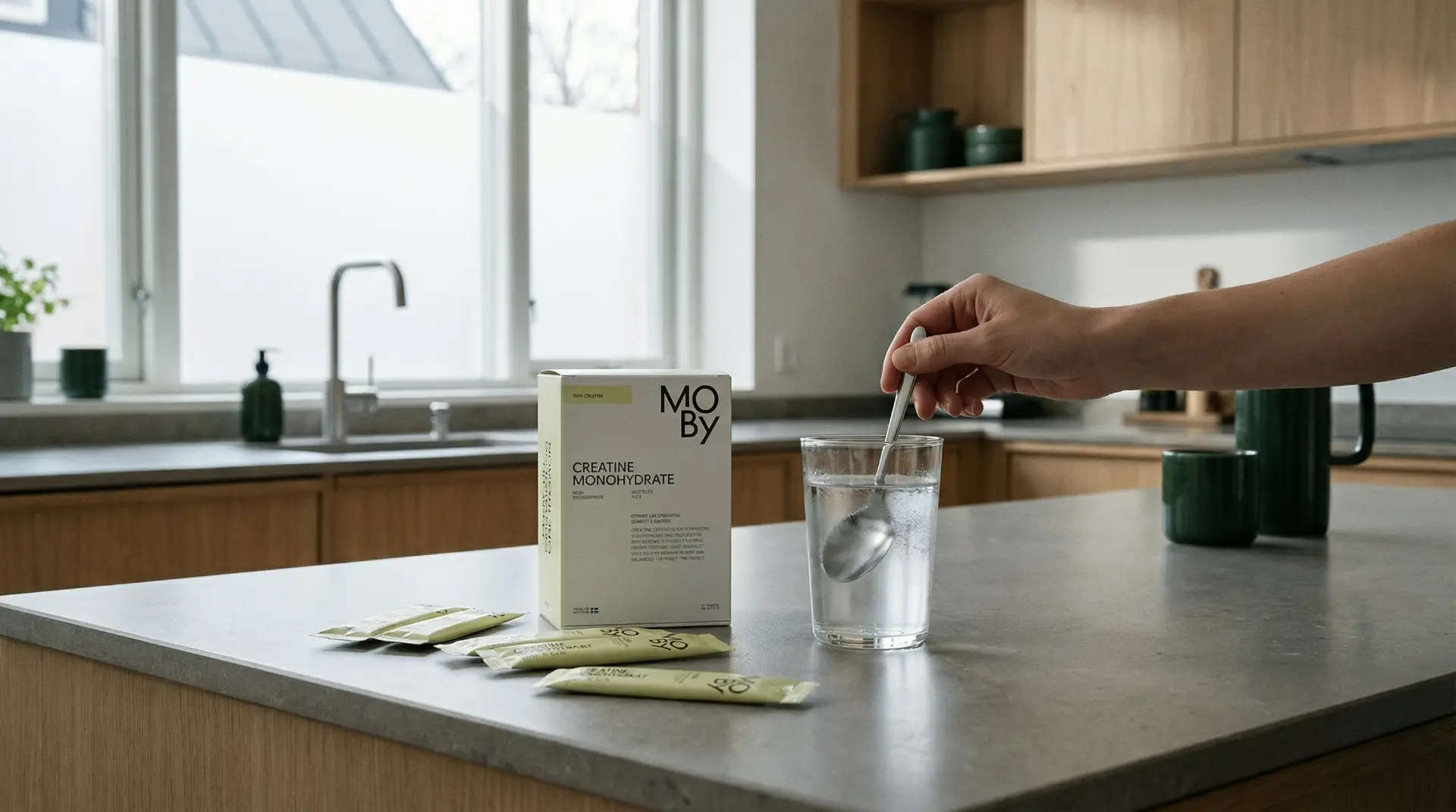
The research consistently supports a daily dose of 3-5 grams of creatine monohydrate. Unlike many supplements with questionable bioavailability, creatine monohydrate demonstrates excellent absorption and a strong safety profile across decades of research.
Common Misconceptions:
- "Loading phases are necessary": While loading (20g/day for 5-7 days) saturates stores faster, consistent daily supplementation of 3-5g achieves the same endpoint within 3-4 weeks
- "Creatine causes water retention and bloating": Modern research shows any initial water retention is intracellular (within muscles) and not subcutaneous
- "You need to cycle creatine": No evidence supports cycling. Continuous supplementation maintains elevated stores and consistent benefits
Beyond Performance: Long-Term Health
Perhaps most exciting is emerging research on creatine's potential role in long-term brain health. While more research is needed, preliminary studies suggest:
- Potential protective effects against neurodegenerative conditions
- Support for healthy aging of cognitive function
- Possible benefits for mood regulation and mental health
The MOBY Approach
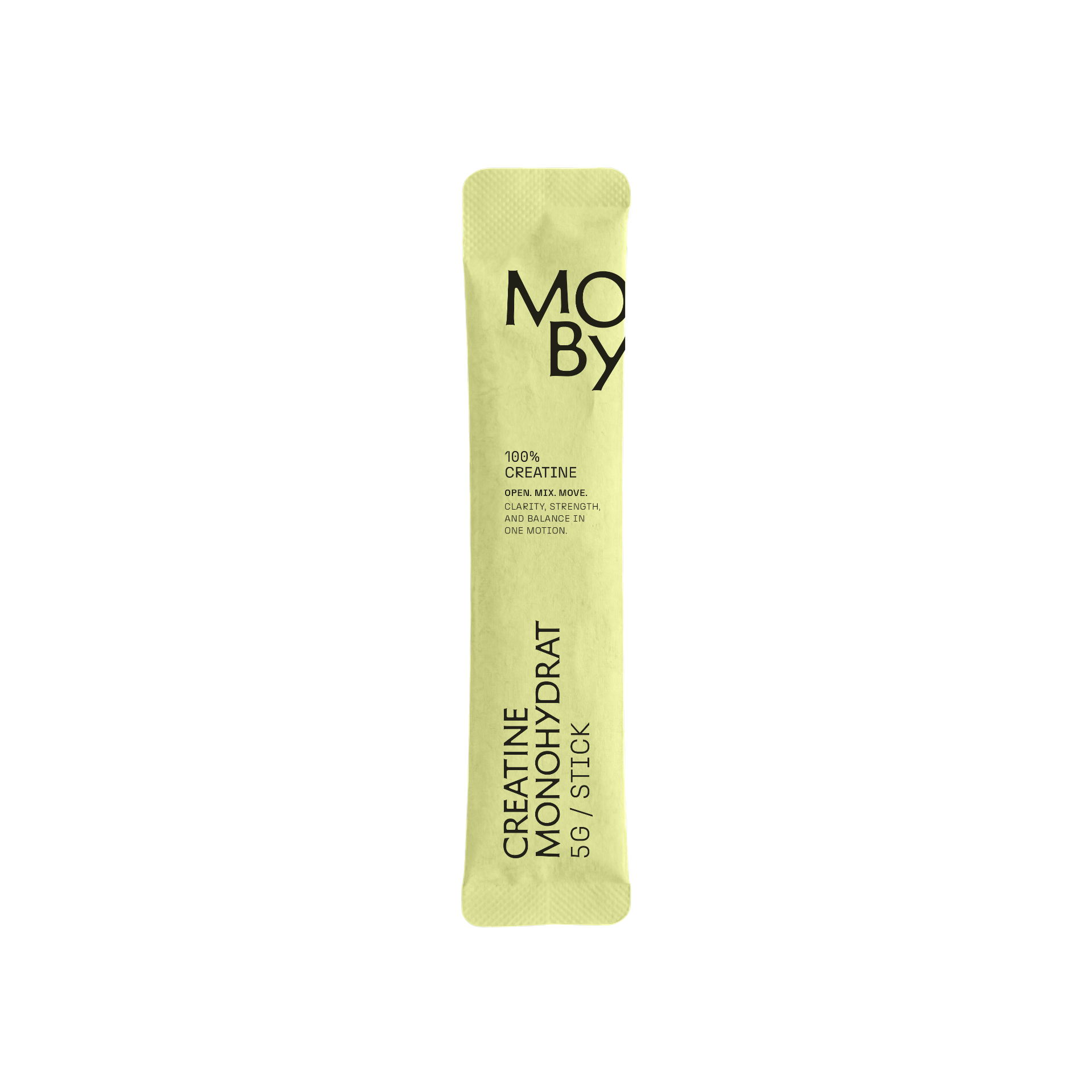
At MOBY, we believe in supplements that serve your whole life—not just your time at the gym. Our creatine is designed for daily integration into your routine, whether you're an athlete, a professional, a student, or simply someone invested in long-term cognitive health.
The science is clear: creatine is one of the most researched, safest, and most effective supplements available. Its benefits extend far beyond muscle, supporting the organ that matters most—your brain.
*Ready to experience the cognitive benefits of creatine? Start with MOBY's premium creatine monohydrate, designed for seamless daily supplementation.*
Ready to Experience the Difference?
Try MOBY's pharmaceutical-grade creatine monohydrate today.
Shop Now